- Category
- Specialist land-based
- Location
- Plumpton, East Sussex
- DNO
- UK Power Networks (UKPN)
- Est. PV capacity
- 1.0-1.3 MW
About Plumpton College
UK's leading specialist for viticulture and wine business education. Strong existing sustainability commitment with ISO 14001. Located in the East Sussex high-sunshine corridor — among the strongest UK solar resource for any FE college.
The estate at Plumpton
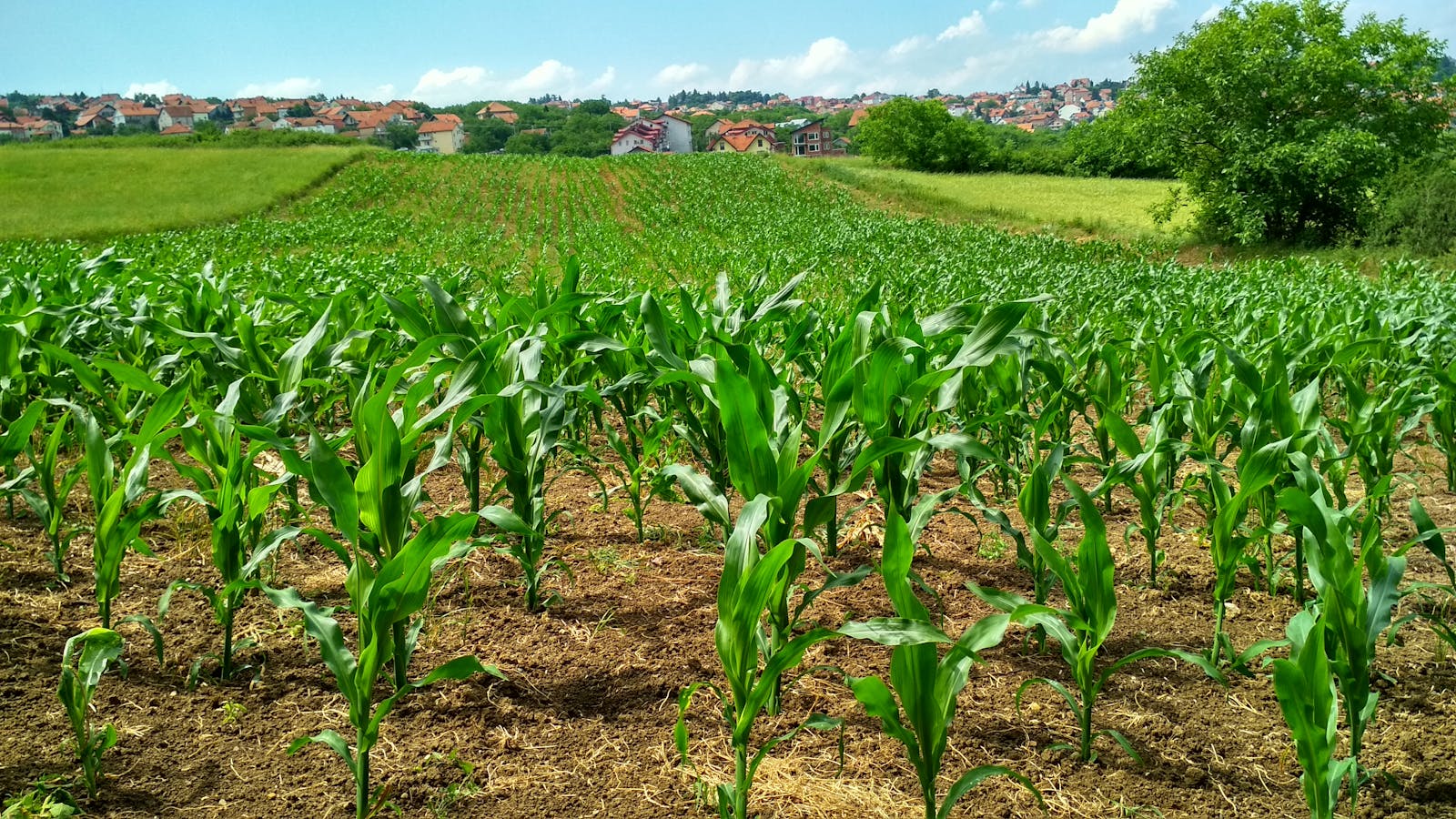
700-hectare working estate with vineyard (UK's largest college vineyard producing 30,000+ bottles), dairy unit, beef and sheep, equestrian centre, viticulture and winemaking facility, halls of residence for 350+ residential students, food technology centre, gamekeeping and countryside management.
From a solar PV perspective this delivers 1.0-1.3 MW potential including agricultural buildings + ground-mount on vineyard margins. With 240 kW of daytime baseload typical, self-consumption stays around 78% — strong for the sector. The DNO for Plumpton is UK Power Networks (UKPN).
Curriculum integration
BSc/FdSc Viticulture and Oenology (UK's only programme), BSc Agriculture, BTEC Agriculture/Equine/Animal Management, T-Level Agriculture. Vineyard offers unique synoptic project context: solar + winemaking energy demand modelling.
Funding stack for Plumpton
The routes that apply depend on the nation and on scheme status, set out below (read 31 October 2026; no Salix scheme is open for England). Estimated portfolio capex £950k-£1.2m (a modelled figure from building type, not from the college's own data).
Detailed funding-route deep-dives:
- Salix Decarbonisation Loan — Salix has no scheme open for England (checked 20 October 2026); Scottish and Welsh loans are open
- MCA decarbonisation grants — devolved regional funding
- AoC Climate Action Roadmap implementation — board-approved Climate Action Plan compliance pathway
- November 2022 ONS reclassification — the November 2022 reclassification of FE colleges into central government
- Interactive payback model — model the specific Plumpton College scenario
Closed or not a solar route: PSDS Phase 4 closed to new applications in November 2024 and GOV.UK lists no successor (status); the FE Capital Transformation Programme has completed all its funding rounds (status).
Estimated economics (illustrative model)
For a 1150 kW programme at Plumpton, modelled economics assuming standard portfolio-scale unit cost (£800/kW installed at this scale):
- Capital cost: approximately £920,000
- Annual generation: approximately 1,269,140 kWh
- Annual energy savings: approximately £269,818 (at typical FE blended tariff)
- Modelled simple payback (illustrative, before any funding): approximately 3.4 years
- 25-year nominal net benefit (before degradation and inflation): approximately £5,825,450
These are scoping figures — a precise feasibility report requires 12 months of Plumpton's half-hourly meter data. See our interactive payback calculator to adjust the assumptions for your specific scenario.